Got an abandoned cart flow set up in Klaviyo? Amazing. But what about everything else?
Your customers don't all follow the same route to checkout.
Some sign up for your emails and spend weeks browsing before they buy. Others add something to their basket, get distracted and disappear. And some buy once, love what they ordered, then completely forget about you.
If your only automated emails are abandoned cart reminders, you're missing a whole lot of opportunities to turn those people into paying customers.
That's where Klaviyo flows come in.
In this guide, I'm breaking down the six essential Klaviyo flows I recommend Shopify brands start with, what to include in each one and how they fit together to create a better customer journey.
What are Klaviyo flows?
Klaviyo flows are automated email sequences triggered by something a customer does (or doesn't do).
Unlike email campaigns, which you schedule and send to a selected audience, flows run automatically in the background.
Someone signs up to your newsletter? Welcome flow.
Browses a product but doesn't buy? Browse abandonment flow.
Places their first order? Post-purchase flow.
The clever bit is that these emails can be personalised based on someone's behaviour, purchase history and where they are in their relationship with your brand.
And because they're sent at relevant moments, they're often some of the highest-converting emails in your Klaviyo account.
But only if you've set them up properly.
The 6 essential Klaviyo flows for Shopify brands
If you're wondering which Klaviyo flows to prioritise, these are the six I'd start with.
1. Welcome Flow: Turn new subscribers into first-time customers
Your welcome flow is one of the most important automations in your entire Klaviyo account.
Why? Because someone has just given you their email address.
They're interested. They're curious. And they're expecting to hear from you.
Please don't waste that opportunity with one email saying, "Thanks for signing up, here's 10% off."
A great welcome flow does so much more.
What to include in your welcome flow:
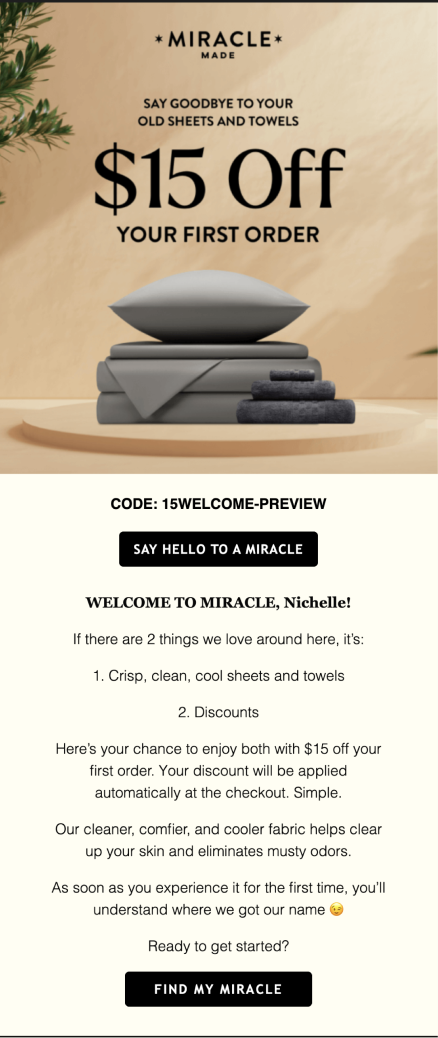
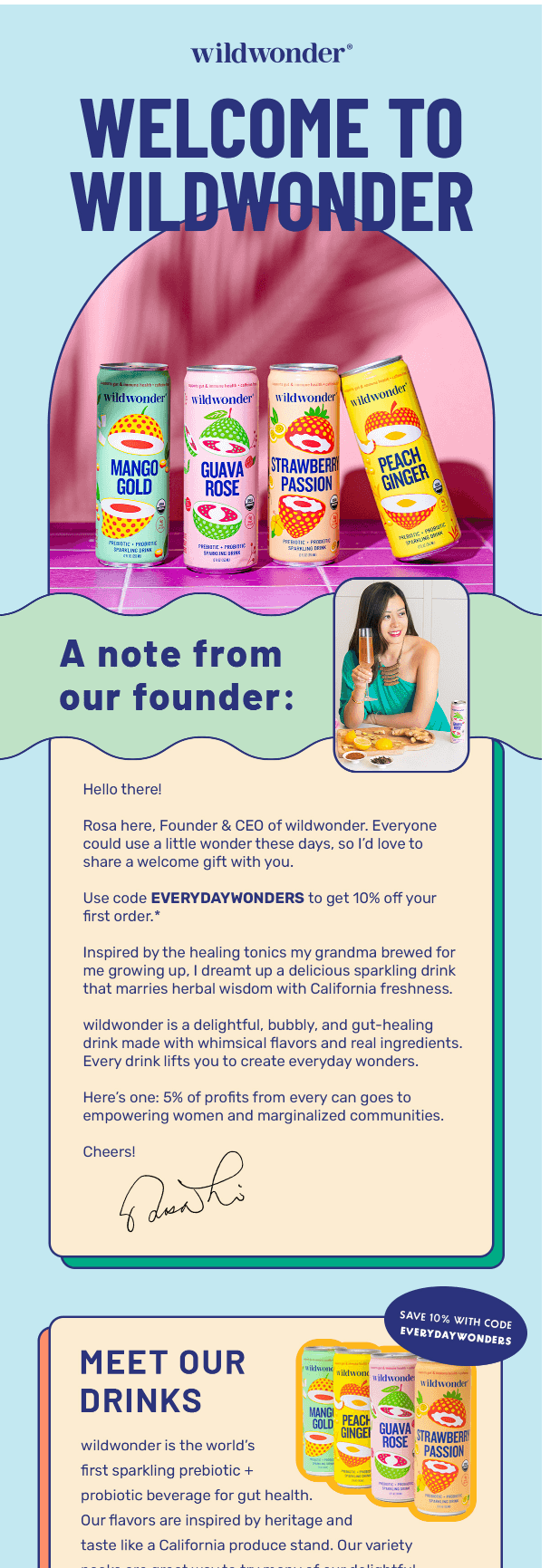
Email 1: Welcome them, deliver any promised incentive and make it ridiculously easy to start shopping.
Email 2: Introduce your brand and what makes your products different.
Email 3: Help them choose with bestsellers, product recommendations or a useful buying guide.
Email 4: Build confidence with customer reviews, FAQs or answers to common objections.
Email 5: Give them another reason to shop, with a relevant reminder of their welcome offer if you have one.
My recommendation: Start with a 4-5 email welcome sequence, then test and optimise it based on how subscribers respond.
And don't send exactly the same emails to someone who's already purchased. Use conditional splits to create a more relevant experience for existing customers.
2. Browse Abandonment Flow: Bring interested shoppers back
Ever looked at something online, thought "Ooh, I like that" and then completely forgotten about it?
Your customers do this ALL the time.
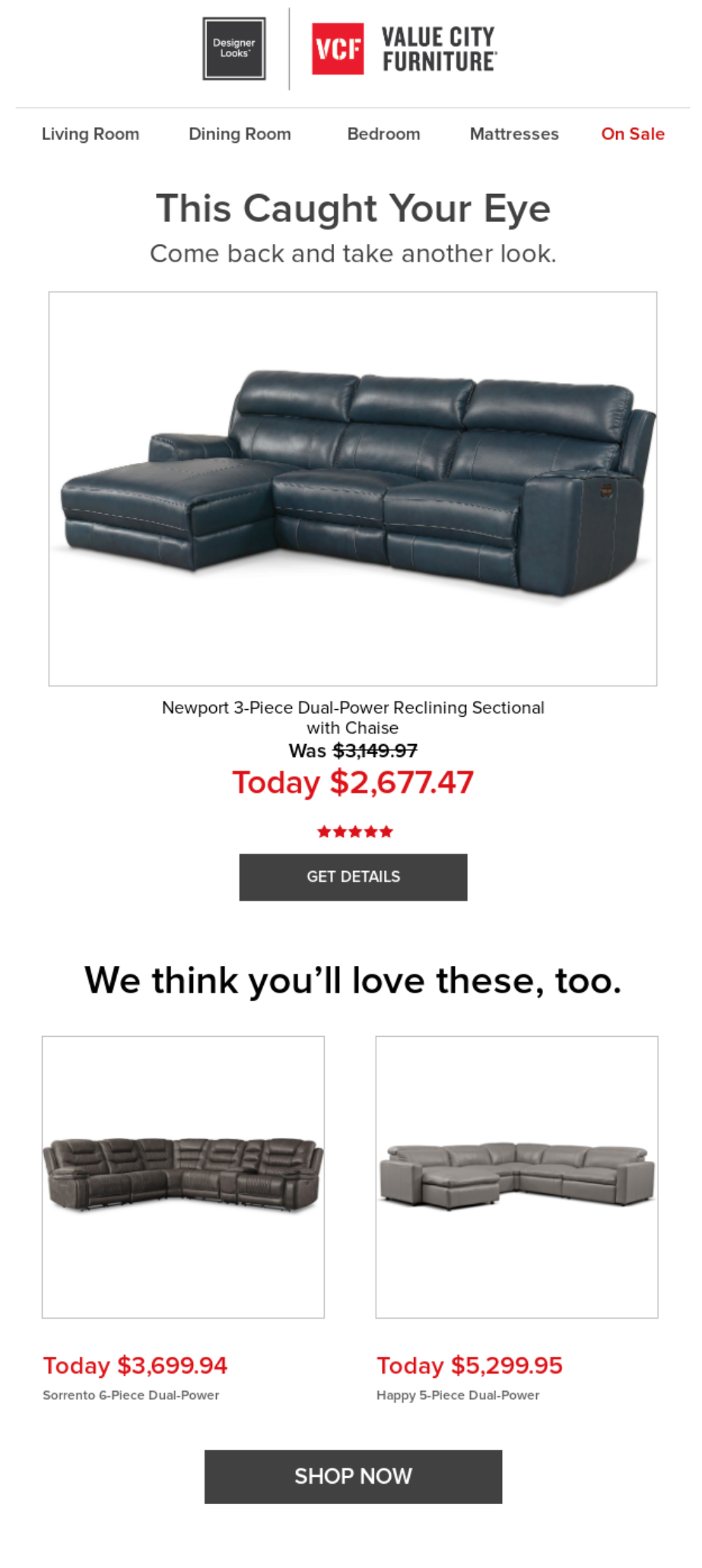
A browse abandonment flow targets identifiable visitors who've viewed a product but haven't added it to their basket or purchased.
It's your opportunity to remind them what caught their eye.
But here's where brands get it wrong.
They immediately jump to "YOU FORGOT SOMETHING!"
They didn't forget anything. They were browsing.
What to include in your browse abandonment flow:
Email 1: Remind them of the product they were interested in, with a clear link back to it.
Email 2: Give them more reasons to consider it. Think product benefits, reviews, styling ideas or helpful information.
My recommendation: Start with two emails. Keep the tone helpful rather than pushy, and give customers a reason to click beyond simply seeing the same product again.
Remember, browse abandonment only works when Klaviyo can identify the visitor and track their product views. It won't automatically reach every anonymous person who visits your website.
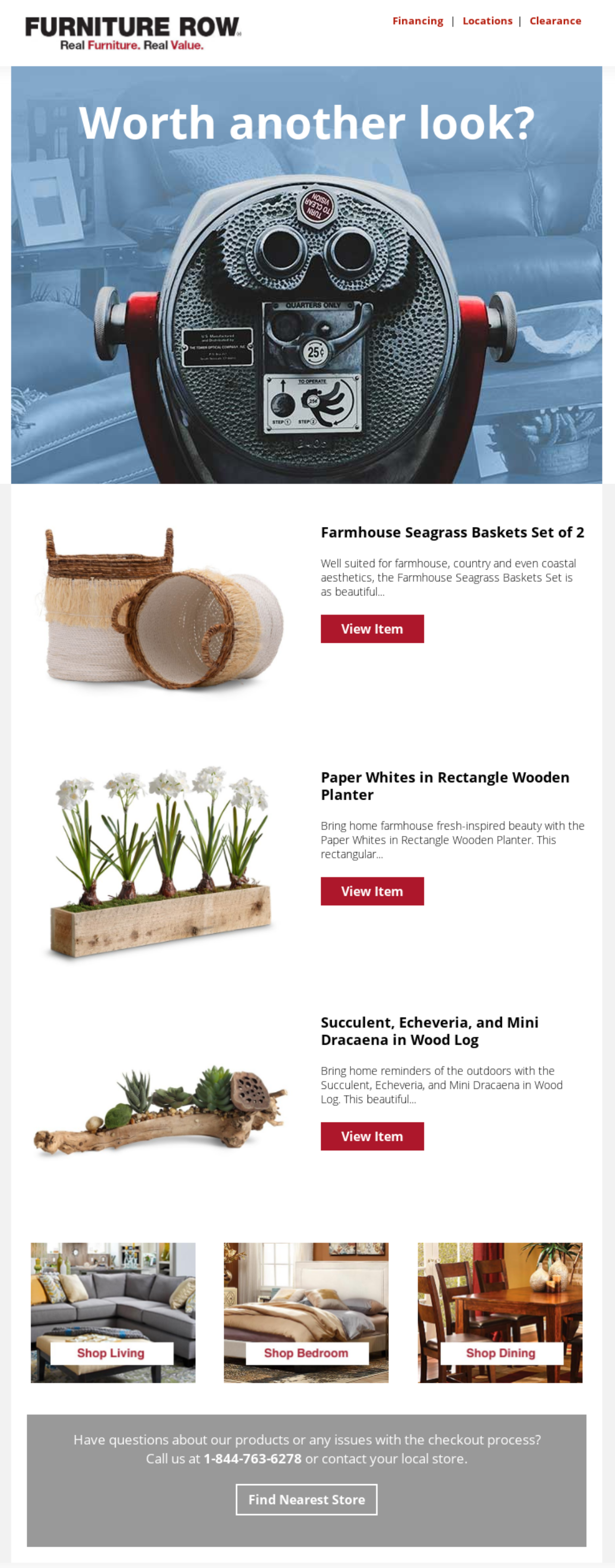
3. Abandoned Cart Flow: Recover sales before shoppers disappear
This is the one most Shopify brands already have.
Someone adds a product to their cart but leaves without buying.
And yes, it's absolutely worth having.
But a single "You left something behind" email isn't much of a strategy.
Think about why someone might have abandoned their basket.
Were they comparing products? Unsure about sizing? Wondering how much delivery costs? Waiting until payday?
Your emails should help answer those questions.
What to include in your abandoned cart flow:
Email 1: A simple, friendly reminder showing the products in their cart.
Email 2: Help them make a decision with product benefits, FAQs or reassurance around common buying concerns.
My recommendation: Start with two emails and make sure customers exit the flow if they purchase or move into your checkout abandonment sequence.
And no, you don't need to immediately offer a discount.
Sometimes people just need a reminder. Sometimes they need a little more information.
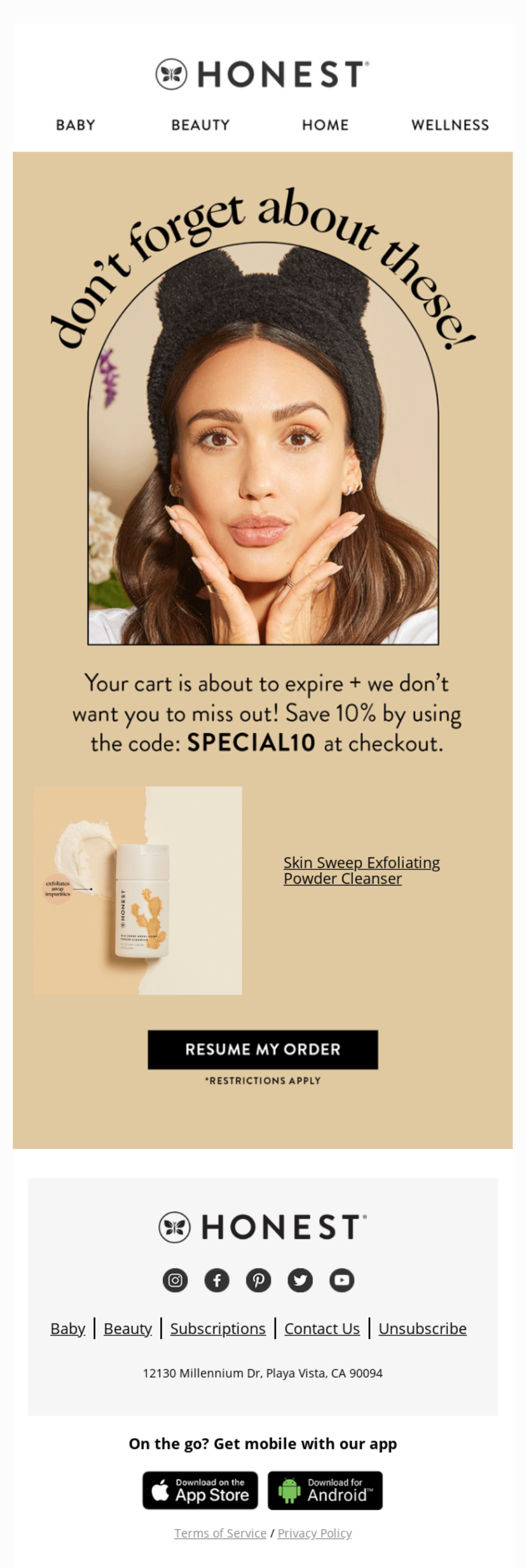
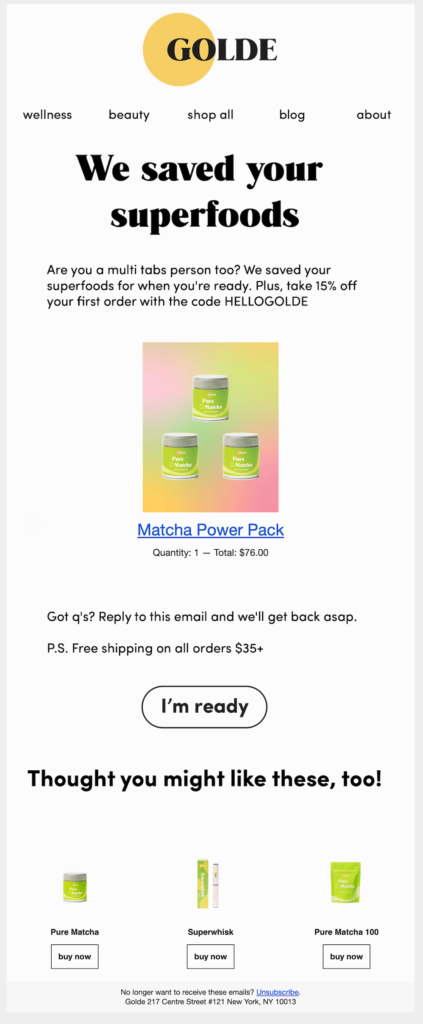
4. Abandoned Checkout Flow: Help shoppers finish their order
There's a difference between someone casually adding something to their basket and someone starting checkout.
The second person has shown stronger buying intent.
They've taken another step towards placing an order, so your messaging should reflect that.
This is where a well-built abandoned checkout flow can make a real difference.
What to include in your abandoned checkout flow:
Email 1: A straightforward reminder with a link back to checkout.
Email 2: Address common objections such as delivery, returns, product quality or sizing.
Email 3: Share customer reviews or social proof to build confidence.
Email 4: Give them a final reason to complete their purchase, without automatically relying on a discount.
My recommendation: A 3-4 email sequence is a useful starting point, but the timing and messaging should be tested against your own customer behaviour.
Important: Make sure your abandoned cart and abandoned checkout flows aren't competing with each other.
Use the right Shopify triggers, filters and exclusions so customers don't receive multiple reminders for the same shopping session.
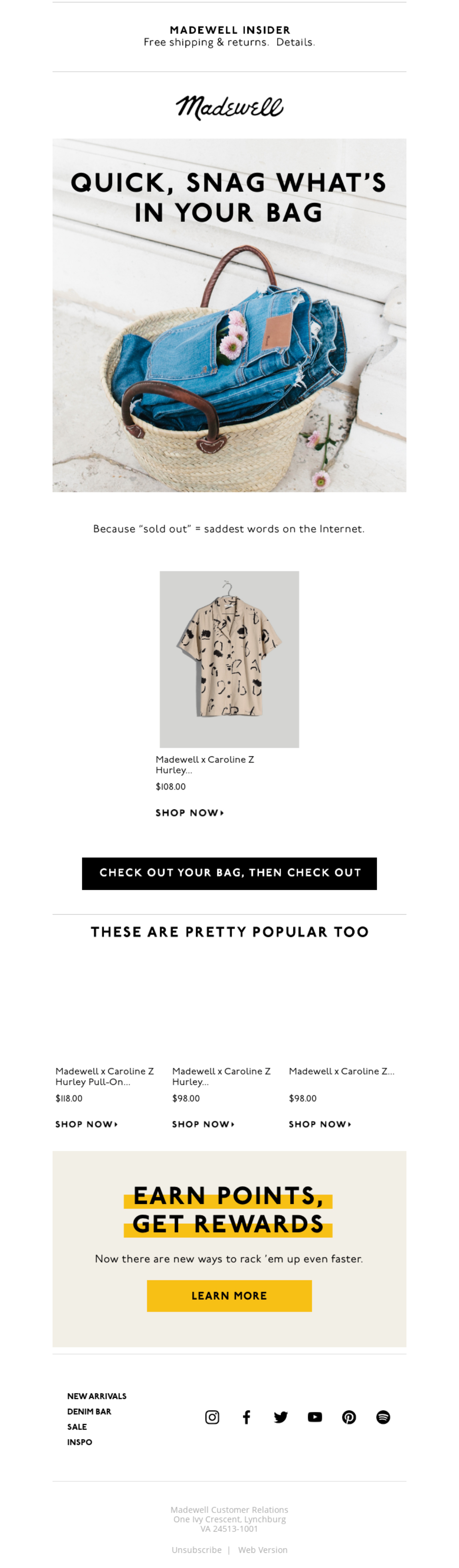
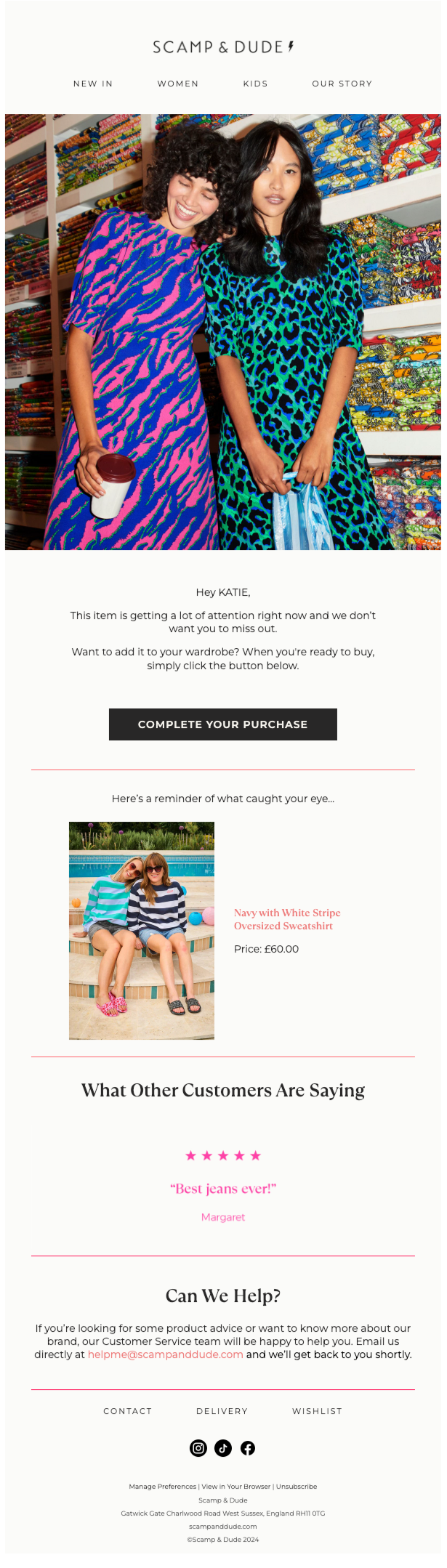
5. Post-Purchase Flow: Turn first-time buyers into repeat customers
Someone's bought from you.
HURRAH! 🎉
But what happens next?
For lots of brands, the answer is a transactional order confirmation and then... nothing.
What a missed opportunity.
Your post-purchase flow is where you start turning a transaction into a relationship.
It's your chance to make customers feel brilliant about their purchase, help them get the most from it and give them a reason to come back.
What to include in your post-purchase flow:
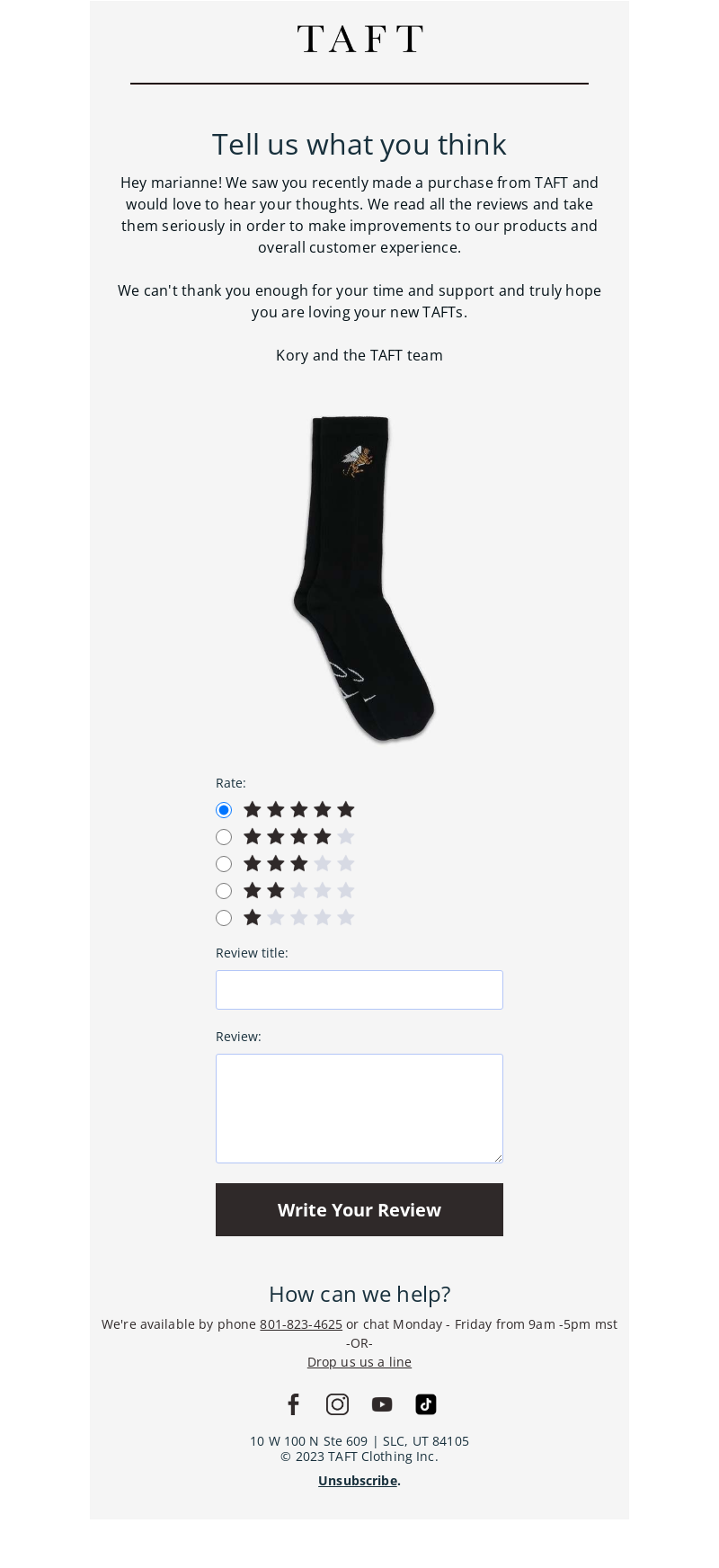
Email 1: A warm thank you and reassurance about their purchase.
Email 2: Useful product advice, care instructions or tips to help them enjoy what they've bought.
Email 3: Introduce the people, values or story behind your brand.
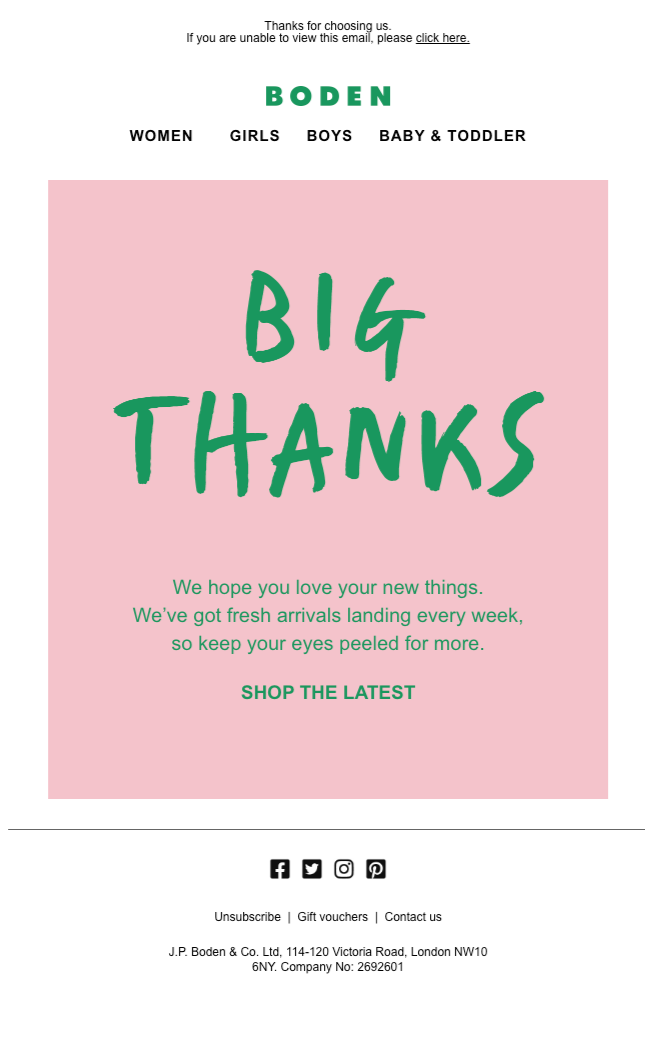
Email 4: Invite a review or customer feedback at an appropriate point after delivery.
Email 5: Recommend complementary products or help them discover what to buy next.
My recommendation: Build different paths for first-time and repeat customers.
Someone who's just discovered your brand needs a different experience from someone who's ordered six times.
And think about your products.
A customer buying skincare might benefit from advice on building a routine. Someone buying jewellery might appreciate care instructions. A parent buying baby products might benefit from recommendations as their child grows.
The more relevant the emails, the better the customer experience.
6. Winback Flow: Bring previous customers back
Not every customer is going to keep buying from you automatically.
Even customers who absolutely LOVE your products get distracted.
They forget about your brand. They stop opening your emails. They find something else.
A winback flow helps you reconnect with customers who haven't purchased for a while.
But here's the important bit.
Not every brand should use the same winback timing.
If you sell coffee, someone who hasn't ordered in 90 days might be overdue for a refill.
If you sell luxury furniture, that same customer could be perfectly happy with their purchase and nowhere near ready to buy again.
Your winback strategy needs to reflect your products and buying cycle.
What to include in your winback flow:
Email 1: Reintroduce your brand and remind customers what they've been missing.
Email 2: Show them what's new, what's popular or products relevant to their previous purchases.
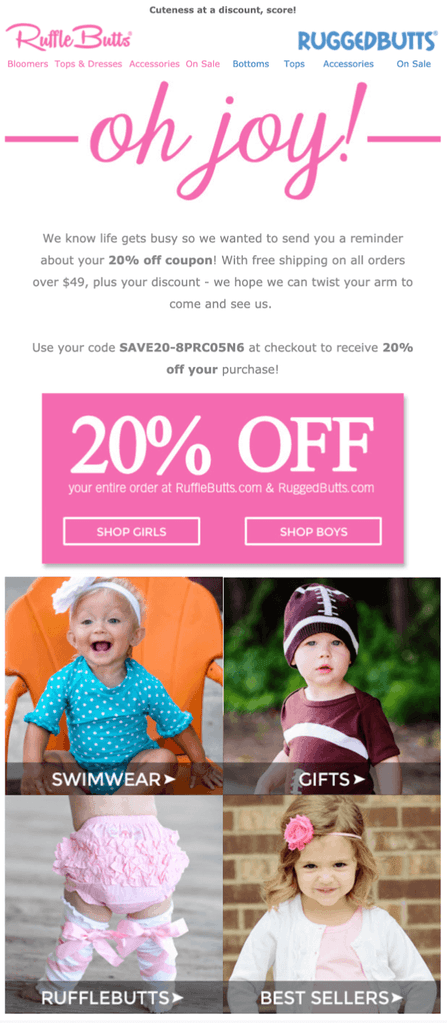
Email 3: Give them a compelling reason to return, which might be an incentive, exclusive access or a useful recommendation.
My recommendation: Look at the time between your customers' orders before deciding when to trigger this flow.
And use purchase history to make the content relevant.
Someone who previously bought a candle doesn't necessarily need to see the same message as someone who purchased a gift set.
Which Klaviyo flows should you set up first?
If you're starting from scratch, you don't need to build everything in one weekend.
I'd prioritise your flows based on where the biggest opportunities are in your customer journey.
| Priority | Klaviyo flow | Why it matters |
|---|---|---|
| 1 | Welcome | Converts new subscribers into customers |
| 2 | Abandoned checkout | Re-engages shoppers who've started checkout |
| 3 | Abandoned cart | Recovers interest from shoppers who added products |
| 4 | Browse abandonment | Encourages interested visitors to return |
| 5 | Post-purchase | Builds relationships and encourages repeat orders |
| 6 | Winback | Re-engages customers who haven't ordered recently |
This is a starting point, not a universal ranking.
For an established Shopify brand with plenty of existing customers, I'd often prioritise post-purchase emails much earlier.
Because sometimes the biggest opportunity isn't getting MORE people to buy.
It's getting the people who've already bought from you to come back.
What about the other Klaviyo flows?
Once you've got the essentials covered, there are plenty of other automated emails worth considering.
Depending on what you sell, these could include:
Cross-sell flows: Recommend complementary products based on what someone's purchased.
Replenishment flows: Remind customers when they're likely to need more of a consumable product.
Back-in-stock flows: Let interested shoppers know when something they wanted is available again.
VIP flows: Give your most valuable customers a little extra attention.
Second-purchase flows: Encourage first-time buyers to place their next order.
Birthday and anniversary flows: Celebrate relevant milestones with personalised emails.
But please don't go into Klaviyo and switch on every flow template you can find.
More flows doesn't automatically mean more revenue.
You need the RIGHT flows, with the RIGHT messaging, reaching the RIGHT people.
How to audit your existing Klaviyo flows
Right. Time for a little homework.
Open Klaviyo, head to Flows, and take a look at what's actually live.
Ask yourself:
Are all six essential customer journey stages covered? Or are there big gaps?
Are your flows made up of relevant email sequences? Or are you relying on one generic message?
Are you treating new and existing customers differently? Someone who's bought five times shouldn't receive the same messages as someone who's never ordered.
Are your flows overlapping? Check that customers aren't receiving multiple abandonment reminders at once.
When did you last optimise them? If your flows haven't been touched since you first set up Klaviyo, there's probably room for improvement.
And don't just look at whether they're switched on.
Look at the results.
Which flows are generating orders? Which emails are getting clicks? Where are people dropping off?
That's where the interesting stuff happens.
Your Klaviyo flows should grow with your business
Setting up your Klaviyo flows isn't a one-and-done job.
As your products, customers and business change, your email strategy should change too.
You might start with a basic welcome sequence, then introduce personalised product recommendations.
You might discover your post-purchase flow needs different journeys for gift buyers and customers shopping for themselves.
Or you might find that a small change to your checkout emails makes a noticeable difference to revenue.
The opportunity isn't just in building new flows.
It's in improving the ones you've already got.
And that's exactly what we help Shopify brands do.
From building your essential Klaviyo flows to optimising them as your business grows, we help turn your email list into a reliable source of sales.